Sixth Generation VRF Outdoor Unit
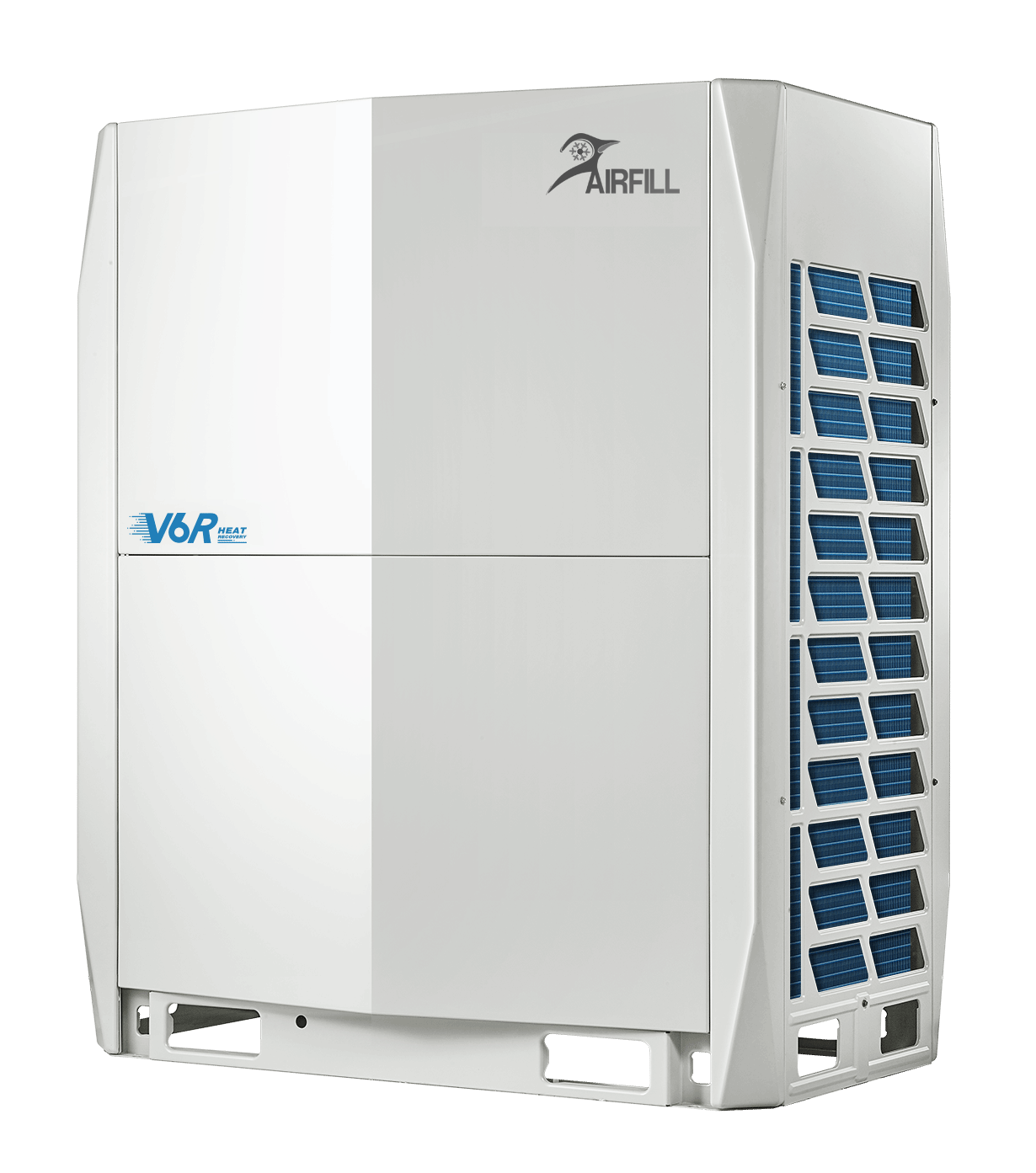

Sixth Generation VRF Outdoor Unit
Sixth Generation VRF Outdoor Unit Under Midea Licence
Capacity ranges from 25 to 270 kilowatts
Inverter technology and energy class +A
Higher capacity in individual units (32HP)
Longest piping distance from the external unit ~ 175 meters
Longest distance after the first branch ~ 40 meters
Capacity of the internal unit can be increased to external up to 130%
No need for oil balance pipe in external units
Has a very low noise operation mode (Super Silent Mode)
Two-year warranty on Airfield electrical systems
15 years of service and support
In brief, it can be stated that VRF is one of the advanced systems within the technology spectrum related to heating, ventilation, and air conditioning (HVAC) suitable for use in residential, office, and commercial buildings. This system is also known by the acronym VRV (Variable Refrigerant Volume). VRF systems were first introduced by the Japanese company Daikin. Airfil Air Conditioning Group is proud to be one of the pioneers in this industry in Iran, offering our readiness in consulting, services, installation, and commissioning of advanced VRF systems with a specialized and experienced team.
VRF air conditioning system with scroll compressor and DC Inverter
Modular capability
Exceptional energy savings
Long piping possibility
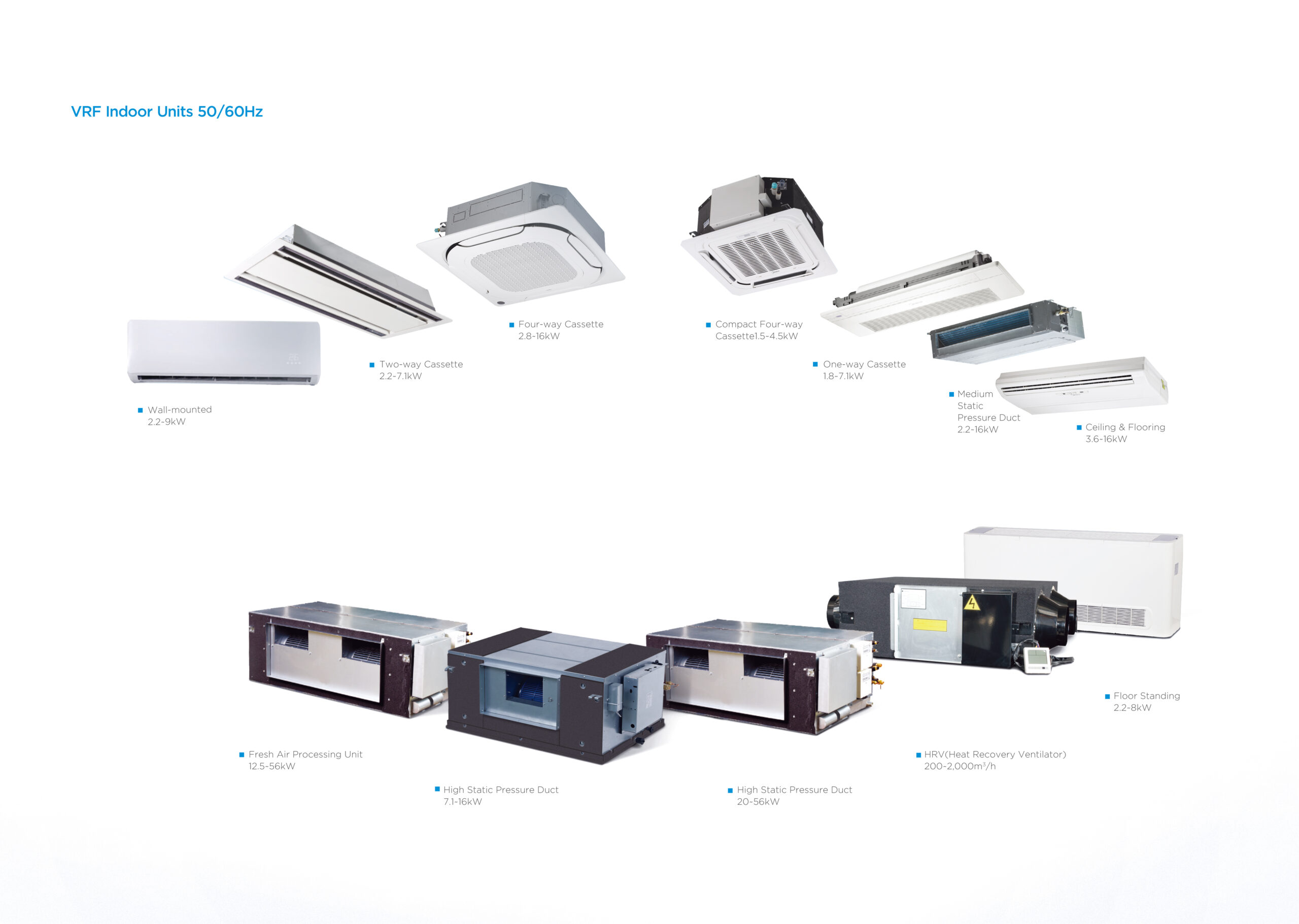
Variety of models and indoor units, etc. in three types: modular hot and cold, separate hot and cold, and cooling only
Use of environmentally friendly refrigerant R410a- Supplementary Explanation (Variable Refrigerant Flow) VRF In brief, VRF can be described as one of the advanced systems in the bundle of heating, ventilation, and air conditioning (HVAC) technologies suitable for use in residential, office, and commercial buildings. This system is also known by the acronym VRV, which stands for Variable Refrigerant Volume. VRF systems were first introduced by the Japanese company Daikin. The Airfil air conditioning group is proud to present itself as one of the pioneers in this industry in Iran, ready to offer consulting, services, installation, and commissioning of advanced VRF systems with a specialized and experienced team. In this article, efforts have been made to comprehensively examine this system so that you esteemed readers can become familiar with the structure, advantages and disadvantages, as well as the operation of the VRF system before making a purchase. Structure of the VRF System This system consists of an outdoor unit (a condensing unit made up of a compressor and condenser) that is installed in the open environment outside the building, and several indoor units (air handlers) that are located within the building in various spaces. Operation of the VRF System In this system, the refrigerant fluid resulting from condensation in the outdoor unit is divided among various branches and enters the indoor units. After passing through the expansion valve, it enters the DX cooling coil. On the other hand, the incoming air to the indoor unit (room air) passes over the coil and is blown into the room after its temperature has been reduced. Therefore, the VRF system also utilizes the vapor compression refrigeration cycle (Carnot). In VRF technology, through the use of digital compressors or variable speed compressors...